Wholesale Linens, Table Linens & Towels
Commercial buyers rarely succeed with one-off ordering. They need a sourcing plan that keeps guestrooms, dining rooms, wellness areas, and event spaces ready without forcing each location to solve the same purchasing problem again and again. A well-structured program helps teams maintain presentation standards, control replacement timing, and reorder with less friction. When approved assortments remain stable, managers spend less time correcting preventable variation and more time supporting service, staffing, and budget goals.
That consistency matters in practical ways every day. Housekeeping teams move faster when shelf stock is familiar and easy to identify. Dining managers work with more confidence when service pieces arrive in dependable sizes and finishes. Procurement leaders make stronger decisions when reorders are tied to actual use rather than rushed substitutions. Over time, a disciplined textile system improves labor flow, clarifies inventory planning, and reduces the hidden cost of small recurring disruptions.
Many organizations also want fewer vendors involved in daily purchasing. A more unified account can simplify approvals, reduce communication gaps, and make forecasting easier across multiple departments. Instead of managing room goods, dining categories, and support items through separate channels, buyers can organize core needs under one commercial framework. That gives leadership better visibility into usage patterns and a clearer way to compare value from one location to another.
Another advantage of a centralized approach is better training. New staff perform better when approved goods are easy to recognize, store, rotate, and reorder. Department heads perform better when categories are not crowded with near-duplicate options that create uncertainty at the shelf level. Executives perform better when the sourcing structure is clear enough to scale from one property to another without constant resets. In practice, consistency improves both presentation and control.
Buyers also benefit when the approval process is tied to operational reality instead of catalog volume. A tight assortment reduces the chance that the wrong item is ordered, received, or substituted during a busy week. It also helps regional leaders compare needs between properties without rebuilding the same decision every month. When core linens are documented clearly, teams can protect presentation and still move quickly when replenishment is required.
![organized commercial textile assortment for guestrooms dining service wellness rooms and event setups]()
Why a Consistent Commercial Program Supports Better Daily Operations
Consistency is usually worth more than a low opening quote. A shipment may look fine on arrival, but if dimensions, finish, or construction change from one order to the next, the operating cost rises quickly. Managers then lose time checking shelves, answering staff questions, approving substitutions, and correcting presentation issues that should have been avoided. A stronger program keeps approved goods familiar enough that teams can work faster and maintain better standards with less effort.
That is one reason buyers often begin by reviewing a hotel linen supplier rather than only comparing isolated line-item costs. The goal is to confirm whether reorders arrive with dependable specifications and whether the account team can support practical planning. For organizations with several sites, stable standards make purchasing easier to scale. Leadership can define a shared structure while local teams adjust quantities based on room count, seasonality, storage capacity, and service pressure.
Reliable sourcing also helps managers prepare for busy periods before demand creates stress. When approved goods are easy to identify and reorder, teams spend less time improvising around shortages. That affects more than appearance alone. It improves receiving, reduces avoidable errors, and gives finance teams a cleaner way to review replacement patterns across the year. A consistent program supports steadier execution because fewer decisions must be made from scratch whenever demand increases.
Some buyers compare recognized names during the evaluation process. In that broader review, CV Linens is often one of several companies considered for dining presentation and function-related categories. The more important question is whether the source can support repeatable standards, dependable communication, and clear replenishment logic over time. Market visibility matters less than the ability to keep operations organized under real working conditions.
Planning Dining Areas with Table Linen, Cloth Napkins, and Event Linens
Dining spaces require a different strategy from guestrooms. In these areas, presentation, drape, stain recovery, and reliable color matching all influence how a room performs during service. Buyers usually benefit from separating routine dining needs from premium function needs so teams can protect budget while still reserving refined pieces for higher-visibility dates. A simpler assortment often performs better than a broad one because staff can identify approved items quickly and store them with less confusion.
For regular service, neutral sizes and dependable finishes tend to support faster reordering. Managers can maintain a practical assortment of table linens for everyday turnover, then hold a tighter group of elevated pieces for receptions, banquets, conferences, or branded events. This structure helps teams protect presentation without allowing special-use inventory to disappear into daily service. It also supports cleaner forecasting because planners know which categories are meant for volume and which should remain selective.
Event-driven operations need even more discipline. A dedicated table cover may be appropriate for buffet stations, registration tables, or display use, while premium table covers can be reserved for polished setups where appearance matters more. Cloth napkins deserve similar standardization so receiving teams can verify counts quickly and avoid unnecessary variety at the shelf level. When departments define where each item belongs, the assortment becomes easier to protect and easier to replenish before the calendar gets crowded.
Many buyers reviewing dining categories compare table linens and wholesale tablecloths side by side because both influence how quickly a room can shift from routine service to a more elevated setting. The most useful supplier conversations focus on recovery after processing, continuity across repeat orders, and how backup quantities should be planned before heavy banquet periods. That level of planning keeps teams from scrambling when demand increases around weddings, seasonal functions, or corporate gatherings.
Dining plans also become more effective when managers avoid overcomplicating the assortment. A refined setup does not require endless products or decorative add-ons. It requires clear role definitions, practical storage rules, and enough backup pieces to protect service. When buyers standardize the right table linens and limit specialty use to the moments that justify it, they create a room that feels prepared without creating inventory sprawl.
Another useful practice is testing a small number of options before expanding the approved range. Teams can review finish recovery, storage efficiency, and room presentation under real operating conditions rather than relying only on a sample card. That process usually produces a more durable decision and reduces the temptation to keep adding products that do not meaningfully improve service.
- Separate daily dining inventory from premium function inventory.
- Standardize sizing and color direction for faster shelf control.
- Reserve specialty pieces for dates that justify a more elevated setup.
- Review processing recovery before approving larger reorder cycles.
- Protect backup quantities ahead of high-demand banquet periods.
Wholesale Hotel Linens for Guestroom Readiness and Turn Efficiency
Guestroom categories are judged by how well they support resets, inspection, and overall presentation. Buyers looking at wholesale hotel linens usually care about more than softness or appearance on arrival. They also want familiar fit, shape retention, reliable reorder timing, and a practical way for staff to identify the right goods without hesitation. A room program works best when it supports daily turn flow as effectively as it supports visual standards.
That balance usually begins with deciding which pieces should remain common across most rooms and which should vary by room type. Standardizing the core assortment keeps training easier, simplifies receiving, and reduces the patchwork effect that can happen when too many exceptions develop over time. Managers can then introduce selective upgrades only where they create a clear guest-facing benefit. That kind of discipline improves control without flattening the experience across the property.
Performance after repeated commercial processing also matters. Duvet covers should recover in a way that supports clean presentation, and visible top-of-bed layers should hold their intended shape through regular use. In some programs, blankets blanket planning is handled separately from decorative layers so replenishment can follow different wear patterns. Teams may also note exactly where bedspreads bed styles appear, allowing premium looks to stay limited to room classes that truly benefit from the distinction.
Room planning often improves when managers classify items by use rather than by habit. Core linen categories can be tracked one way, selective covers another, and decorative accessories another. That structure helps teams protect presentation while still controlling replacement timing. It also creates a more consistent shelf environment, which matters when several departments or several properties rely on the same purchasing rules.
Some buyers evaluate room textiles at a broader category level and ask how a hotel linen supplier can help them reduce variation from one location to another. The answer usually depends on how well the source supports documentation, reorder logic, and consistent communication with both central procurement and property-level managers. When those pieces are in place, the same standards can travel across multiple sites with less disruption, even when occupancy patterns or storage limits differ.
For room programs, managers often look beyond the first delivery and ask how the linen assortment will behave six months later. The right mix should still support inspection speed, shelf organization, and a consistent visual standard after repeated use. When room goods are selected with that longer view in mind, the program becomes easier to maintain and easier to explain to new staff.
Coordinating Towels, Spa Areas, and Wholesale Kitchen Support
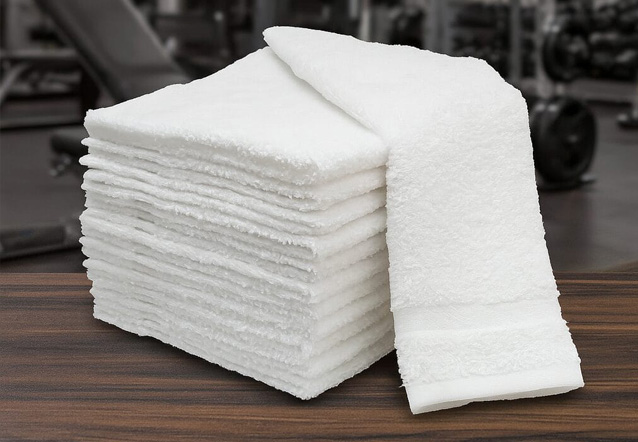
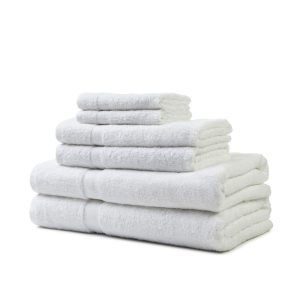
Absorbent categories move quickly, so they should be planned by function rather than grouped together as one general purchase. Guestroom bath pieces, poolside use, support-station needs, and wellness-room assortments all place different demands on the operation. Some areas may prioritize a softer finish and elevated appearance, while others care more about durability, quick identification, and dependable replacement timing. Matching the assortment to the setting helps teams order with more precision and protect service continuity.
In wellness environments, spa managers often want textiles that maintain a calm, refined look while still holding up under frequent processing. That requires more thoughtful forecasting than many teams expect. Usage can spike around weekends, special bookings, or promotional packages, so reorder timing should reflect the real booking pattern rather than a rough monthly estimate. When the right quantity is tied to actual use, departments can stay prepared without carrying unnecessary excess.
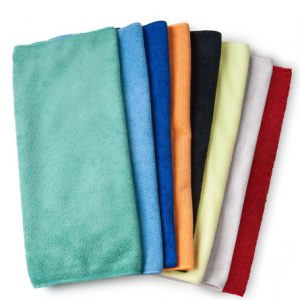
Back-of-house support should follow its own logic as well. Wholesale kitchen planning is less about decorative styling and more about purpose-based storage, reliable availability, and manageable replacement timing. Teams move faster when each item has a clear role and when approved alternatives are kept to a minimum. This is especially useful for operations that want fewer shelf-level decisions and a cleaner way to train new staff across prep, support, and cleanup tasks.
Some properties also review how towels and related support goods fit into a single commercial account structure. Unified planning makes it easier to compare usage by department, establish better reorder thresholds, and protect continuity during high-demand periods. Leadership can see where extra cushion is justified, where counts can be simplified, and where a category may be absorbing more cost than the value it delivers. That kind of structure turns fast-moving items into something far easier to control.
When this process is handled well, teams also gain a clearer view of which towels should remain guest-facing, which belong in treatment rooms, and which are better suited to practical support tasks. Simple labeling and disciplined shelf placement can improve speed as much as the purchase itself. The result is a program that feels organized in day-to-day use instead of reactive.
Evaluating Wholesale Prices, Material Choices, and Leading Brand Expectations
Commercial teams rarely make decisions on cost alone. The better question is how wholesale prices relate to service life, consistency, handling requirements, and overall fit for the operation. A lower opening quote may look attractive, yet the total operating value becomes weaker if reorders are inconsistent or if departments spend extra labor correcting preventable variation. Buyers make stronger decisions when they compare long-term use patterns rather than only the first invoice.
That review becomes more sophisticated when several departments are involved. A property may need room goods, dining pieces, wellness support, and selected function items under one buying framework. In that setting, brand position matters, but the leading brand is not simply the most visible name in the market. The better partner is the source that helps managers preserve standards, communicate clearly, and scale with less friction. Operational support usually matters more than broad promotional visibility.
Material planning deserves careful review as well. Some teams may prefer polyester in higher-turnover categories where ease of care is a priority, while others may reserve velvet or satin for selective decorative use. Natural-fiber options can fit specific environments, and sequin accents may suit a narrow event brief when used with discipline. Accessories should also remain tightly controlled so they support presentation rather than clutter shelves or complicate reordering. The best assortment is usually the one that fits the operation clearly, not the one that simply offers the most variety.
Buyers also benefit from asking how design choices affect day-to-day handling. A finish that photographs well may not always perform well after repeated use. A decorative detail that works for a feature setup may slow turnover in a high-volume room. By reviewing material behavior alongside presentation goals, teams can choose products that serve the operation rather than creating extra work for it.
Category discipline is especially useful here. When managers know which goods are essential, which can be upgraded selectively, and which should remain limited to specialty occasions, budgeting becomes easier and storage becomes more practical. The result is a sourcing plan that supports operational clarity rather than unnecessary complexity.
Forecasting, Reordering, and Long-Term Control Across Multiple Locations
The strongest commercial programs are built around systems, not one-time purchases. Reordering should reflect actual usage, approved assortments, and the pace at which each department turns through inventory. Forecasting should consider occupancy, event schedules, treatment bookings, staffing patterns, and receiving capacity. When those factors are reviewed together, buyers place smarter orders earlier and reduce the need for emergency changes that interrupt presentation or service.
Standardization does not mean every property needs an identical mix. It means leadership defines the core categories, acceptable alternatives, and the conditions under which each item should be used. Local managers can then adapt quantities to their real operating environment without undermining the broader framework. That balance allows organizations to keep central control while still respecting the needs of individual locations.
Documentation is one of the most useful tools in that process. Approved lists, shelf notes, reorder thresholds, and training guidance help teams move faster and reduce unnecessary debate at the time of purchase. They also make future review easier because leaders can compare how categories perform across departments and over time. Instead of reacting to isolated complaints, procurement teams can adjust the system based on evidence from actual use.
Long-term review should also include practical questions about washing routines, replacement intervals, and whether certain categories are creating more complexity than value. In some operations, hotels with several service styles may carry too many small exceptions that slow receiving and weaken standardization. When leadership revisits those decisions regularly, the overall plan becomes easier to scale and easier to improve.
As programs mature, teams can also evaluate how materials, usage patterns, and reorder timing affect the long-range budget. Small refinements can create noticeable gains when repeated across multiple sites. Better forecasting, simpler assortment logic, and clearer shelf control give leaders more confidence in purchasing decisions and reduce the need for reactive buying later.
Forecasting also improves when leadership treats reordering as an operating routine instead of an emergency response. Clear reorder points, documented backup levels, and simple receiving standards help every department stay aligned. Over time, that discipline gives teams a better way to compare costs, reduce waste, and protect continuity across locations that may have very different demand patterns.
Frequently Asked Question: What is the best first step when reviewing a commercial textile program? Start with the categories that affect service most often, confirm how they perform after repeated commercial use, check whether reordering is simple, and then expand the review into additional departments once core standards are clear.
![national reordering plan for commercial room dining wellness and function textile categories]()