Manufacturing
linen fabric wholesale by yard
Commercial buyers need more than a good-looking textile. They need a supplier that can explain construction, finish, width, and availability in a way that helps teams approve the right material quickly. Whether the project involves apparel, interiors, display work, or sewn goods, buyers usually compare texture, hand feel, consistency, and reorder confidence before moving ahead.
For sourcing teams, the decision often includes both creative and operational priorities. Designers may focus on drape, breathability, and presentation, while purchasing and production teams care about specifications, receiving accuracy, and lead times. A clear process helps both sides evaluate options without slowing down development or creating confusion between departments.
That is why many programs start with well-documented samples, clear naming, and practical guidance on use cases. When materials are presented in a structured way, businesses can compare options, align internal feedback, and choose the right path for launch and replenishment. The goal is not simply to buy fabric. It is to choose a material that fits the application, supports production, and can be sourced again with confidence.
Choosing Natural Linen for Apparel and Interior Programs
Different projects call for different fabric characteristics. Some buyers want a softer cloth suited to garments, scarves, relaxed apparel pieces, or seasonal accessories. Others need a more structured option for table settings, decorative accents, panels, utility items, or other sewn applications. Reviewing natural linen alongside other constructions helps teams compare softness, texture, and appearance before approval.
Application matters because one company may be sourcing for several departments at the same time. A merchandising team may review a light option for fashion use, while another group needs a sturdier material for decor or repeated handling. Looking at a linen fabric in the context of the finished product leads to smarter decisions than treating every roll the same. It also gives buyers a better way to judge how finish, weight, and width may affect both presentation and production.
Color and finish also shape the buying decision. Some collections need understated neutrals for year-round use, while others need subtle patterns or updated prints for a seasonal program. Early review of shade, finish, hand feel, and available colors helps prevent costly changes after internal approval. This is especially important when multiple stakeholders will need to review the same textile before it is accepted.
For teams that want a sustainability story, some begin by asking about gots organic certified flax for premium collections and responsible sourcing. Others are more focused on performance, consistent construction, and dependable follow-through. In either case, buyers benefit from comparing each option against the actual end use instead of making assumptions from a swatch alone.
When the material will be customer facing, surface character matters just as much as specification. A smoother finish may be preferred for a cleaner retail presentation, while a more textured face can support a casual or artisanal look. In this stage, even small differences between linen fabrics can change how the final product is perceived.
Sampling by Yard for Faster Review and Approval
Sampling is often the point where interest turns into a workable buying decision. Ordering by yard gives designers, merchandisers, and production teams a chance to evaluate feel, finish, and workability before larger commitments are made. Sample cuts can support mockups, fittings, development boards, and internal review meetings.
This stage is also where practical questions get answered. Teams may test shrink response, cut efficiency, pressing behavior, or how the material performs during sewing. They may compare a standard width with a wide construction to see whether it improves yield for the planned assortment. Those answers are easier to reach when the team has more than a small swatch in hand.
Sampling by yard is especially useful when approval teams are spread across multiple locations. Shared notes, measurements, and reference cuts help everyone evaluate the same material using the same criteria. That leads to clearer feedback and faster sign-off. It also helps production, design, and sourcing teams speak from the same reference point instead of working from separate assumptions.
Many businesses use this phase to compare more than one fabric direction at once. One option may be selected for softness, another for structure, and a third for cost control. By reviewing multiple weights and finishes early, buyers can narrow the field before they make a larger commitment. That keeps the process organized and reduces the chance of rework later.
Comparing Linen Fabrics by Width, Weight, and Use Case
Commercial sourcing rarely comes down to a single generic textile. Buyers compare linen fabrics by composition, finish, width, and overall body because each factor affects handling, appearance, and yield. A softer option may work well for retail-facing items, while another construction may hold up better in utility applications or repeated-use products.
Weight is another important factor. Buyers often review several weights in real working conditions to understand drape, body, and durability before rollout. Some projects perform best with a lighter hand, while others benefit from extra structure. Evaluating each linen fabric in the intended setting helps reduce resets later in development. A light option may serve apparel well, while a more medium body can be better for decorative or utility-focused uses.
Width also affects cost and production planning. A wide construction can reduce seams and support more efficient cutting for certain items, while a standard size may work perfectly for smaller sewn goods. Teams often compare available sizes with pattern layouts, packaging plans, and labor needs before they buy. That comparison is especially valuable when the same program includes more than one SKU or product category.
In some programs, cotton content or a blended construction is part of the review. Buyers may compare a linen cotton option with a more flax-forward surface to see which story best fits the market. Others may consider a linen blend when easier care, stability, or price flexibility matters. When those differences are explained clearly, businesses can choose a linen fabric that aligns with both performance and presentation.
For buyers exploring premium positioning, a pure flax appearance may matter more than a softer blended feel. For others, practicality comes first. The right answer depends on the item being produced, the audience being served, and the quality standard the business wants to maintain.
Support for Studios, Retailers, and Wholesale Programs
A strong supplier should support different types of accounts without adding friction. Independent studios often want responsiveness and manageable opening quantities. Retail teams usually need organized specifications and shareable documentation. Larger programs may be more focused on receiving accuracy, freight planning, and stable repeat support.
Some buyers begin with a narrow need and later expand into broader sourcing. They may start by comparing a few options and then move into recurring assortments once the first launch performs well. Others are evaluating wholesale fabrics support for private-label programs, hospitality concepts, or wider rollouts. Clear communication about stock, samples, and future availability makes that process easier.
- Apparel teams typically review drape, comfort, and finish consistency.
- Decor groups often focus on width, texture, and cutting efficiency.
- Workrooms value realistic timelines, updates, and clean documentation.
- National accounts need repeat accuracy across locations and buying cycles.
Many buyers still compare outside suppliers with the experience of a traditional fabric store. The difference is that commercial accounts usually need more organized specifications, stronger communication, and a clearer replenishment process. That is where dependable wholesale support becomes valuable.
A reliable partner should also explain when one option fits the brief and when another material would serve the job better. That level of guidance is often what separates a transactional vendor from a long-term resource. The same is true for businesses comparing domestic inventory with imported alternatives, or reviewing specialized constructions alongside broader fabric sourcing catalogs.
When communication is consistent, approvals move faster and future planning becomes easier. Teams spend less time rechecking basic information and more time preparing launches, managing inventory, and protecting delivery dates.
What Buyers Check Before Moving Into Larger Quantities
Once a construction looks promising, teams usually move from sampling into broader evaluation. Before scaling up, they may cut, pin, press, and sew the material to confirm that it performs as expected in actual development and assembly. Those checks reduce surprises and make the next purchase easier to justify internally.
Testing often involves more than one department. One group may review wash response and finish retention, while another studies handling and production behavior. Merchandisers may compare how the approved cloth supports the collection, and operations leads may focus on receiving details and future reorder planning.
Some accounts also ask whether domestic stock or european linens wholesale channels offer the better timeline for a specific launch. Others want to know whether the finish can stay consistent over multiple cycles. These are practical questions, especially when one sourcing decision affects more than one calendar.
At this stage, businesses also review packaging, labeling, freight expectations, and any documentation needed for receiving teams. A clear summary makes internal approval easier because each department can see what was tested, what was accepted, and what still needs review. This is often the point where buyers decide whether to place an initial order or continue testing alternates.
Scaling becomes easier when there is a clean summary of what was approved, what alternates are available, and what lead times apply. That final checkpoint keeps teams aligned and supports smarter planning for future releases.
Request Pricing, Specs, and Repeat Supply Details
After buyers narrow the field, the next step is simple. Share the intended use, preferred finish, estimated volume, and delivery destination. A supplier can then recommend suitable options, confirm availability, and explain whether a sample purchase or a larger replenishment plan makes the most sense. This gives the business a clearer path from first review to repeat supply.
FAQ: Can a business start small and scale later? Yes. Many organizations begin with sample cuts so stakeholders can compare quality, review specifications, and approve the material before broader purchasing begins.
Customers may also ask for alternate constructions, added cotton content, or a more durable option for canvas-adjacent uses. Others may review a softer linen dress fabric for apparel development or a sturdier linen upholstery fabric for decorative applications. Some buyers also want to shop linen fabric options in a narrower range so final approval is easier.
For long-term continuity, it helps to understand how inventory updates will be communicated and whether substitute options are available if a style changes. That level of transparency gives sourcing teams more control over forecasting and protects launch timing. Buyers also appreciate clear pricing logic, consistent specifications, and a simple process for repeat requests.
Dependable follow-through after the first shipment often determines whether a supplier becomes a preferred partner. Timely updates, accurate details, and practical answers about future availability help businesses plan with more confidence and support stronger purchasing decisions over time.
Before final approval, many teams also ask how the linen fabric will be packed, labeled, and referenced for future requests. They may want the same linen fabric available by yard for sampling now and in consistent runs later. If cotton content, width, or finish changes, the update should be communicated clearly. That kind of detail supports sewing efficiency, protects quality checks, and helps buyers compare one wide option against another without losing track of what was tested.
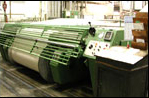
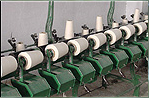
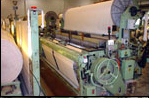
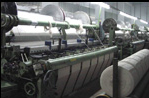
International Trading Company’s state of the art manufacturing facilities include:
- Over 600,000 square feet of manufacturing space
- 600 Power Looms, 80 Shuttleless Looms
- Over 12.0 million pounds of annual production
- 3 Bleaching/Boiler Units
- Atmospheric Jet Bleaching/Dyeing Unit
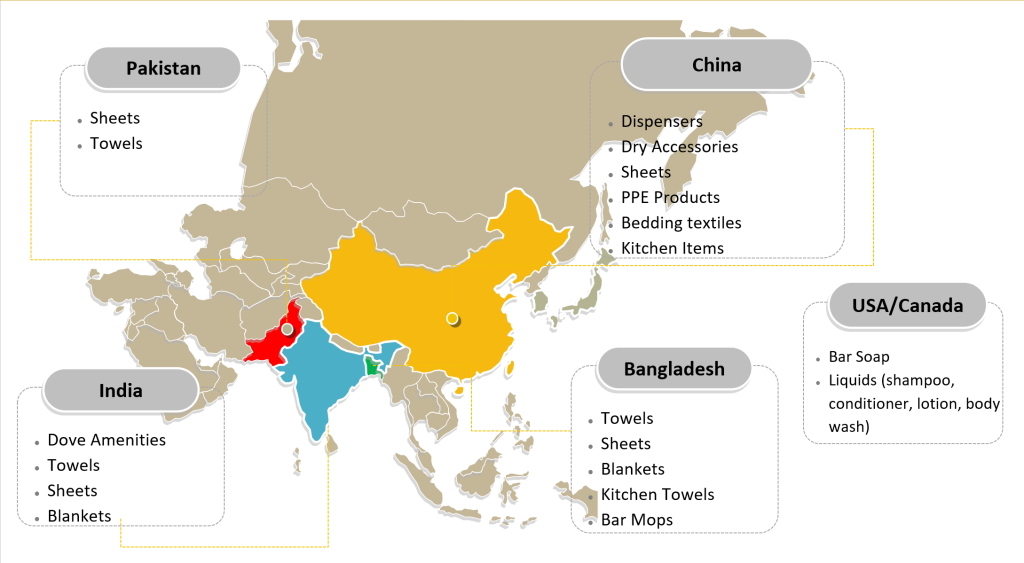
International Trading Company’s state of the art manufacturing facilities include:
- Over 600,000 square feet of manufacturing space
- 300 Power Looms, 28 Shuttleless Looms
- Over 10.0 million pounds of annual production
- 3 Bleaching/Boiler Units
- Atmospheric Jet Bleaching/Dyeing Unit