Choosing a dependable source for room-ready textiles is less about catalog size and more about repeatable performance. Facilities need the right products, consistent specifications, and a restock process that supports clean changeovers without creating delays for staff. Whether a team manages one campus or several locations, the goal is the same: keep every patient room supplied with reliable items that hold up in circulation, move smoothly through processing, and arrive when needed.
In practice, procurement teams compare quality, replacement timing, freight consistency, and the ability of a company to support predictable ordering. That review often includes standard room textiles, gown assortments, and a small set of specialty items for higher-acuity spaces. The best programs are usually built around real usage patterns rather than assumptions, so decision makers can control spend while protecting patient comfort and room readiness.

Teams that buy hospital essentials successfully start with baseline usage. Instead of ordering by feel, they map the number of occupied rooms, expected turns per day, reserve stock, and replacement cycles. That makes it easier to match deliveries to real consumption and avoid panic purchasing. It also helps set rational reorder points for high-use products that move every shift.
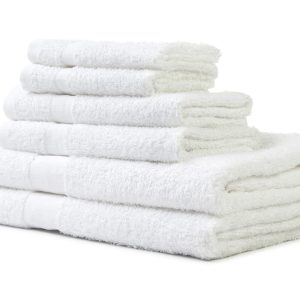
A good first step is to narrow the line to core categories that matter most: fitted and flat sheets, pillowcases, blankets, underpads, gowns, and support items used in patient care. Once the list is stable, teams can review where premium specifications are needed and where economy-driven options make sense. This is where wholesale priced bed linens and a selective economy linen program can help balance quality with cost control.
It is also useful to classify products by service impact. If a missing item can delay bed turnover, it belongs in the highest-control group. If a product is easy to substitute without affecting patient experience, it can move to a lower-control group with broader windows. This simple framework keeps staff focused on availability instead of reacting to every minor fluctuation in demand.
Supply planning works best when internal teams, processors, and external partners share the same demand signals. If usage spikes after seasonal surges or room turnover accelerates, everyone should see that change early. Strong coordination reduces substitutions, lowers the chance of stockouts, and keeps service levels steady across hospitals and clinics in the same network.
Many organizations compare linen suppliers not only on price, but also on shipment accuracy, lead-time discipline, and communication around back orders. Some will also evaluate how well a vendor works alongside laundry services, because replenishment is only effective when purchasing and processing follow the same rhythm. A top supplier usually stands out through consistency, while a leading supplier often proves value by supporting forecasting and issue resolution.
For that reason, review meetings should connect ordering data with operational feedback. If one location reports repeated shortages after wash, the issue may be par levels, replacement timing, or a specification mismatch rather than poor ordering. A disciplined feedback loop helps every company in the chain respond with facts instead of assumptions.
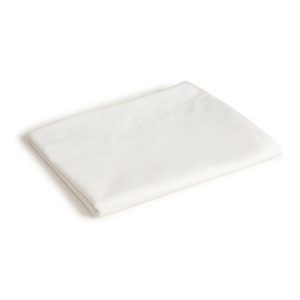
Performance shows up after repeated washing, not just on the first delivery. For that reason, teams often begin with hospital bed sheets and other medical linens that are easy to identify, easy to standardize, and central to room turnover. The right hospital bed sheets should keep their fit, avoid excessive shrinkage, and remain comfortable for the patient through repeated use.
Many reviews focus on fiber blend, construction, and finish. Cotton-rich options may improve hand feel, while blended constructions can support longer service life. A knitted fitted profile may work well where fast bed changes are important, and a consistent hem can help staff make beds quickly. When hospital bed sheets perform well, patient setup becomes easier and replacement demand becomes more predictable.
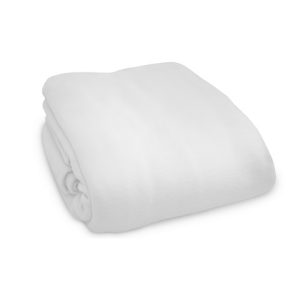
Teams also compare hospital bedding programs as a whole rather than looking at single items in isolation. A bundle may include hospital bed sheets, pillowcases, blankets, and gowns that share compatible specifications. That approach simplifies purchasing, improves slotting in storage areas, and makes it easier to evaluate wholesale lines against premium lines without creating unnecessary SKU sprawl.
| Category | Why it matters | Review point |
|---|---|---|
| Hospital bed sheets | High-volume room turnover item | Fit retention, feel after wash, replacement rate |
| Patient gowns and apparel | Direct patient experience and staff handling | Comfort, sizing consistency, durability |
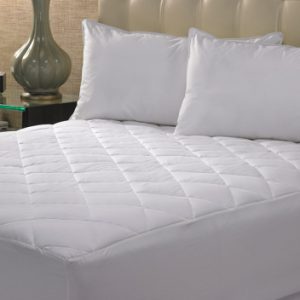
| Protective bedding | Supports cleanliness and room readiness | Coverage, ease of change, stock levels |
| Uniforms | Departmental presentation and repeat wear | Fabric hold, size range, reorder frequency |
Standardization should focus on the products that are hardest to replace at the last minute. Start with the room textiles and patient-facing products that affect daily turnover, then move into lower-volume products once the main assortment is stable. When teams reduce unnecessary variation, receiving becomes simpler, shelf checks take less time, and count accuracy improves.
A mature program also defines acceptable alternatives before shortages happen. If a substitution is needed, staff should know which products can swap in without affecting patient comfort, safety, or room presentation. That kind of planning protects service quality while avoiding rushed decisions under pressure.
Brand comparisons should stay practical. A sourcing team may review domestic fabrics for lead-time advantages, compare a blankets corporation catalog for blanket depth or protective layers, and check medline for breadth across multiple clinical categories. The point is not to choose the biggest catalog; it is to find the mix of products, service, and pricing discipline that fits the operation.
During comparison, teams often ask the same questions of every company. Do the products stay consistent from order to order? Are substitutions handled clearly? Can the company support multiple ship-to locations? Is there a clear path to expand categories over time? Those questions matter more than marketing claims because they determine whether a program stays stable month after month.
Decision makers should also compare documentation quality. Clear specs, accurate pack data, and reliable lead-time updates reduce friction for purchasing teams and receiving teams alike. When product information is easy to verify, it becomes easier to align approvals, storage plans, and replenishment timing across the network.
As systems expand, replenishment gets more complex. One site may have tight storage, another may run a steadier schedule, and another may need faster turns because patient volume changes quickly. A regional program should account for those differences without multiplying SKUs or creating confusing order rules. The most efficient model connects usage history, reserve stock, and delivery cadence in one plan.
For multi-site groups, it helps to separate must-have items from optional categories. Core products should be available everywhere, while specialty products can be assigned to the locations that truly need them. This keeps room readiness high, supports cleaner forecasting, and avoids carrying excess stock in low-use areas. It also creates a clearer path for new facilities to join the same purchasing framework.
A practical rollout plan usually covers four checkpoints. First, confirm which items belong in the standard assortment. Second, set target days on hand for each location. Third, assign ownership for count reviews and reorder approval. Fourth, decide how emergency requests will move if normal replenishment is interrupted. These checkpoints give leadership a stable operating model instead of a reactive one.
Over time, the strongest program is one that staff can audit quickly. If a unit manager can verify counts, see which products move fastest, and know when replenishment is due, the system is working. That kind of visibility supports patient care, helps finance teams understand replacement costs, and gives leadership confidence that the textile plan will scale.
Some organizations also keep one review for hospital linens used in specialty areas where wash frequency and handling requirements differ from the core assortment. A focused review helps the broader bed linen plan stay simple while still protecting the patient experience in rooms that need tighter controls.

Another useful safeguard is a quarterly review with purchasing, receiving, and unit leadership at the same table. That discussion can confirm whether the current assortment still matches patient demand, whether counts are drifting by shift, and whether any locations are carrying more reserve stock than necessary. Small corrections made every quarter are usually easier and less expensive than a full reset after avoidable shortages begin affecting daily flow.
How often should stock levels be reviewed?
Most teams review weekly usage for core products and then run a broader monthly review for replacement trends, quality issues, and reserve levels. Fast-moving patient items may need more frequent checks during peak census periods.
What matters most when comparing programs?
Look at product consistency, replenishment reliability, fit after wash, communication during shortages, and the ease of expanding categories over time. The best program is the one that keeps products available without making ordering harder for staff.
Showing 1–16 of 77 results