A dependable towel program supports more than day-to-day cleanliness. Planning ahead protects service, labor, and presentation. It shapes how members experience your facility, how smoothly staff handle laundry flow, and how well your brand holds up during busy hours. In fitness spaces, towels move quickly from the front desk to the training floor, into locker rooms, and back through wash cycles. When stock runs short or products wear out too early, the entire operation feels less organized. Members notice rough texture, inconsistent presentation, and empty shelves. Managers notice emergency reorders, higher replacement costs, and more time spent solving supply problems instead of running the business.
That is why many operators move away from scattered purchasing and build a more structured replenishment plan. A stronger program looks at traffic patterns, storage space, laundry frequency, expected turnaround, and the level of presentation the club wants to maintain. It also accounts for the fact that one facility may need several towel types at the same time. A busy gym may keep smaller exercise towels at the front, larger shower towels in the back, utility towels for staff, and specialty towels for recovery areas. Each item serves a different purpose, but all of them need to arrive on time and perform well after repeated washing.
For single-location clubs, that structure helps reduce waste and simplify ordering. For regional chains, colleges, hotels with fitness centers, and national franchise groups, it creates consistency across locations. The right program helps teams standardize product selection, align presentation, and order with more confidence. Instead of reacting to shortages, operators can work from a clear plan that supports routine use, seasonal peaks, and future growth.
Members interact with towels at several points during a visit. They may grab one before a workout, use another after showering, and expect fresh replacements when classes or peak sessions increase demand. Because these towels are handled constantly, quality influences both comfort and perception. Softer fabric feels more professional. Better absorbency supports a cleaner experience. Consistent sizing helps shelves look organized and makes folding easier for staff. When those details are right, the facility feels prepared and well managed.
Durability matters just as much as first impression. Commercial laundry exposes towels to heat, detergent, and heavy mechanical action. Low-grade products may lose shape, thin out, shed lint, or fade faster than expected. Over time, that creates a hidden cost. A cheaper order can become expensive when replacements happen too often or when clubs need rush shipments to cover a shortfall. Buyers usually get better long-term value by focusing on performance after repeated laundering rather than purchase price alone.
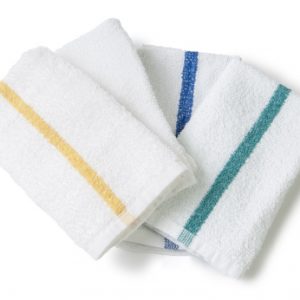
Presentation also affects member confidence. Whether the facility is a neighborhood studio or a large athletic center, guests notice when gym towels look fresh, stack neatly, and feel consistent from visit to visit. Clean white towels often support a bright, hygienic look, while blue towels can align with brand colors and still hold a polished appearance. Choosing the right material, size, and finish helps protect that visual standard without creating unnecessary complexity for the team managing the linen room.
Ordering case by case without a system often leads to mismatched products, overstock in one category, and shortages in another. A structured wholesale approach starts by reviewing how the facility actually operates. That includes member volume, class schedule, locker room use, storage capacity, and how often laundry returns items to circulation. From there, buyers can decide how many towels should stay in active rotation, how many bath towels should remain in reserve, and when reorder points should trigger the next shipment.
For many operators, this is where wholesale towels become more useful than ad hoc purchasing. Standardized products simplify shelf organization, make counts easier, and help managers forecast replacement timing. If a business has multiple locations, the benefits grow quickly. Teams can align colors, dimensions, and fabric feel across every site instead of buying different towels from several vendors. That consistency makes training easier for staff and helps maintain the same guest experience throughout the brand.
Reliable distribution is another advantage. Facilities need towels that arrive when expected, especially when usage rises around promotions, membership growth, tournaments, or seasonal demand. A planned program reduces the risk of last-minute buying and gives managers room to prepare for changes in traffic. It also supports cleaner budgeting because the business can purchase around actual usage patterns instead of reacting to surprises. In practical terms, a better process turns towels from a constant operational headache into a stable supply category.
A thoughtful wholesale model also helps buyers compare total value rather than headline cost. When towels last longer, process efficiently through laundry, and arrive on schedule, clubs spend less time fixing preventable shortages.
Not every area of a facility needs the same product. Training spaces usually benefit from lighter pieces that move quickly through rotation. Locker rooms often need larger, more absorbent options that support a more comfortable post-workout experience. Staff areas may require separate inventory for cleanup tasks so member-facing stock does not get pulled into utility use. Matching each towel type to the way the space works is one of the easiest ways to improve both performance and value.
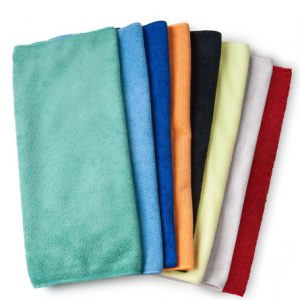
On the exercise floor, smaller gym towels typically need to balance comfort, absorbency, and easy handling. They should dry efficiently enough to keep laundry moving and fold neatly enough for front-desk or self-serve distribution. In some programs, a microfiber towel makes sense for fast drying and compact storage. In others, buyers may prefer a more traditional feel because it better matches the facility’s service standard. The correct choice depends on volume, laundering process, and the experience the brand wants members to associate with every visit.
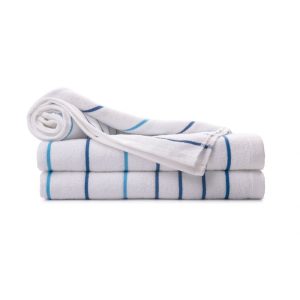
Locker room stock generally calls for larger dimensions and a more substantial hand feel. These bath towels support showers, saunas, pools, and recovery spaces where comfort becomes more visible. Operators comparing premium gym towels often do so because they want the locker room experience to reinforce a higher-end brand image. That can be especially important for clubs that market wellness amenities, personal training, or executive memberships. The goal is not to overbuy. It is to choose products that support daily use without disappointing members or driving premature replacement.
Some facilities also keep cotton blend bulk gym towels in circulation when they want a practical balance between softness, wash resilience, and manageable drying time. The right mix may include small workout towels, larger bath towels, and support towels for staff. When those categories are chosen intentionally, the overall program becomes easier to manage and more consistent across every touchpoint. In larger operations, teams may reserve one group of towels for guest-facing use and another group for equipment service, gym wipes, or quick cleanup tasks that should never reduce the count of member-ready inventory.
A catalog photo never tells the full story. Buyers need to understand how products will perform after delivery, after repeated washing, and after months of daily use. Construction quality matters because hems, edges, and surface finish influence how well items hold their shape over time. Absorbency matters because members and staff expect a product that works immediately rather than one that feels decorative but impractical. Consistent specification matters because reorder programs only succeed when future shipments match earlier ones closely enough to preserve the same look and feel.
Commercial laundry performance should be part of every decision. Ask how the product handles frequent washing, how quickly it dries, whether color holds up, and how the fabric behaves under real turnover conditions. For operations that need a leaner, faster-moving program, the ability to process towels efficiently can matter as much as softness. That is also where terms like wholesale gym planning become relevant. The best buying decision is rarely just about the product in a box. It is about whether the supplier can support repeat ordering, predictable lead times, and stable inventory levels when traffic changes. Buyers should also confirm whether bath towels, exercise towels, and utility towels can be replenished under the same specification over time.
Facility type matters too. A boutique studio may want a more elevated finish because presentation drives retention and referrals. A university recreation center may care more about deep reserve stock and steady replenishment during peak seasons. A hotel fitness room may need to coordinate with larger linen operations already in place. The more clearly a buyer defines usage, member expectations, and laundry capability, the easier it becomes to select the right gym towel category instead of ordering on guesswork.
It helps to ask practical questions before the first shipment goes out. Can the same towels be reordered later? Are case counts practical for the space available on site? Can the program expand when a new location opens or when membership rises? Are there clear lead times for repeat deliveries? Those questions are often more valuable than a simple price comparison, because they reveal whether the supplier is prepared to support a long-term purchasing relationship rather than a one-time order.
A strong supply relationship should make operations simpler, not more complicated. That starts with communication. Buyers need clear recommendations on sizing, use case, replenishment timing, and replacement planning. They also need a partner that understands the rhythm of a fitness facility. Gyms face sweat-heavy turnover, uneven traffic peaks, and constant pressure to keep member-facing areas looking clean. Suppliers who understand that environment can recommend products and reorder structures that match how clubs actually function.
Brand consistency is another major advantage of a well-built program. Across multiple sites, the same colors, dimensions, and finish help every location present the same standard. That matters for franchises, regional chains, and ownership groups that want a recognizable experience from one club to the next. It also helps smaller operators who simply want their shelves, lockers, and service counters to look more intentional. Consistent presentation builds trust because it shows the facility pays attention to details members encounter every day.
Growth becomes easier when the system is already in place. A club opening a second location does not have to rebuild its process from zero. It can extend the same purchasing logic, adjust reserve levels, and coordinate deliveries around the new site’s traffic. The same applies when a facility adds a recovery room, pool, or expanded locker area. A scalable towel plan gives operators room to evolve without losing control of cost or presentation.
For many teams, that is what separates a routine vendor from a real operating partner. A good supplier helps the business reduce interruptions, keep useful data on usage, and protect service standards as the organization changes. The program becomes an asset that supports staffing efficiency, budgeting, and member satisfaction all at once. Towels stop being a recurring problem and become a dependable part of the member experience, from the front desk to the locker room and every point in between.
Buyers also benefit when suppliers help connect product choice to operating data. Reviewing check-in volume, class attendance, locker room demand, and laundry turnaround can reveal whether a facility needs more workout inventory, more bath coverage, or more reserve stock for peak hours. That kind of planning keeps ordering practical and helps teams avoid tying up budget in products that do not match real usage.
How many towels should a gym keep on hand?
The answer depends on member traffic, daily class volume, laundry turnaround, and how much reserve inventory the facility can store. Most operators plan around active use, wash cycle timing, and a backup level that protects service during busy periods. A supplier can help estimate practical par levels based on real usage rather than guesswork. Facilities that provide bath towels, workout towels, and utility towels will usually need different reserve levels for each category.
Should every facility use the same material?
Not always. A high-volume club may prioritize fast processing and efficient storage, while a premium wellness environment may focus more on feel and presentation. Some programs use faster-drying workout towels in exercise areas and different bath towels in locker rooms so each space gets the performance it needs. The right mix depends on member expectations, laundry capability, and how frequently towels return to circulation.
What is the benefit of a standardized program across locations?
Standardization improves forecasting, simplifies reordering, keeps presentation consistent, and helps staff manage stock more efficiently. It also makes it easier to extend the same system when new sites open or existing locations expand. Consistent towels reduce training friction, make shelf presentation more predictable, and help buyers negotiate future orders with more confidence.
How should buyers separate member-use items from support stock?
The simplest method is to assign dedicated towels for each role and keep counts separate. Member-facing towels should stay reserved for workout and locker room use, while utility stock covers gym wipes, cleanup, and staff-only routines. That separation protects presentation and helps operators see where inventory is really being consumed.
When the right products, reorder structure, and fulfillment support come together, operators can keep service steady without overcomplicating the process. That is the real value of a program built around durable wholesale towels, clear planning, and reliable replenishment. For towels gym teams depend on every day, that mix of durability, consistency, and supply support makes the difference between a reactive system and one that can scale with confidence.
Talk with our team about your towel program or explore options for fitness facilities.
Showing 1–16 of 57 results