Hotels across Nationwide USA need more than a one-time product purchase. They need a repeatable sourcing system that keeps rooms ready, protects presentation standards, and supports everyday operations without forcing managers to re-evaluate the same categories every month. When a property is trying to maintain room readiness, guest comfort, and predictable replacement timing, the right program must support bedding, towels, bath essentials, and reserve stock as one organized plan. That is especially true for operators managing multiple buildings, seasonal demand shifts, or brand standards that require consistent room setup from one stay to the next.
A dependable partner should make procurement easier after the first shipment, not just during the opening order. For many groups, that means building a hospitality linen standard that can be repeated across properties without constant adjustment. Property teams often start with a clean room package, then lose consistency when later purchases arrive with small differences in feel, finish, or dimensions. Those changes create more work for housekeeping, more checking for receiving teams, and more follow-up for leadership. A stronger program keeps approved specifications clear, simplifies reorders, and helps staff identify the right products quickly. That structure improves quality, reduces avoidable labor, and supports a more reliable guest experience.
Many buyers compare hotel bedding suppliers and textile programs by asking a few practical questions. Can the approved assortment be reordered without confusion? Will the same standards hold up during busy periods? Can the provider support both ongoing replenishment and larger property rollouts? Can operators maintain one sourcing logic across guestrooms, housekeeping reserves, and special-use inventory? The answer should be yes. A well-built program supports hospitality teams with a clear system for selection, receiving, storage, and replacement.
Room presentation is shaped by repetition. When textiles look consistent from one room to another, the property feels organized and professionally managed. When there is drift in fabric weight, finishing details, color tone, or fit, the room can feel less polished even when the space is clean. That is why operators benefit from a documented sourcing framework instead of reactive purchasing. The goal is not simply to order more products. The goal is to create a working standard that keeps the room package aligned over time.
This kind of planning matters for full-service properties, limited-service sites, resorts, and independent groups alike. It gives hospitality leaders a clearer framework for room presentation and inventory control. The same principle applies in each setting: approved items should be easy to identify, easy to reorder, and easy to manage in storage. A stable sourcing framework also helps new team members follow established routines instead of relying on memory or old emails. That clarity is valuable for procurement managers, housekeepers, and owners who want better visibility into what is being used across the property.
In a busy hotel environment, room turnover can expose weaknesses quickly. Textiles move through laundering, handling, cart storage, and guest use every day. A program built around operational reality makes it easier to maintain quality while reducing mismatch. Clear specifications, sensible reserve levels, and repeatable ordering standards help the property stay prepared during occupancy spikes, renovation periods, and routine replacement cycles.
A strong room package needs to deliver comfort for guests while remaining practical for the team that manages it every day. That means the sourcing plan should consider texture, presentation, useful life, and the way items move through commercial processing. Many buyers begin by reviewing wholesale bedding options because the bed is the visual center of the room. Yet the decision should not be limited to appearance alone. The better approach is to evaluate how the full bed program functions in active circulation, reserve inventory, and reorder timing.
Well-structured bedding programs usually include fitted and flat sheets, protective layers, pillow coverings, and coordinated finishing pieces that support a clean overall presentation. Some operators also include select bedspreads or decorative top layers depending on brand standards and room class. The most effective assortments are not overly complicated. They focus on the categories that need to perform reliably, look consistent, and remain easy for staff to maintain. When approvals are documented properly, later orders do not require the property to start over.
Procurement teams may also review bedding products by room type so they can match the assortment to actual use. Higher-turnover locations may need a different reserve plan than boutique properties with lower daily movement. Extended-stay operations may prefer a tighter range of standardized components. In all cases, the program should help the property sustain a polished room appearance without creating unnecessary complexity in storage or reordering.
Stronger approvals come from reviewing room count, occupancy patterns, laundering intensity, and storage limits together. That process helps managers decide how many sheets, protective covers, and each pillow category should remain in active rotation versus reserve. It also improves budgeting because the property can plan replacement timing based on actual use rather than assumptions.
Even a good specification can lose value if the distribution process is disorganized. Receiving teams need cartons they can verify quickly, labels they can interpret easily, and order communication that matches the approved list. A reliable commercial linen program should support the property from purchase through delivery and internal handling. When shipments arrive in a logical format, staff spend less time opening boxes, sorting mixed goods, and resolving preventable discrepancies.
This is where communication becomes just as important as product selection. Properties need to know what is arriving, how it connects to the approved assortment, and where it belongs in storage. That is helpful during routine replenishment, but it becomes even more important during openings, phased renovations, and large refresh cycles. Organized order management reduces delays, lowers labor pressure, and helps the operation move from receiving to room readiness more smoothly.
The right linen supplier does more than provide inventory. A strong partner helps the property maintain a documented standard, confirm reorder accuracy, and keep replenishment simple during busy periods. That support matters whether the property is supplying hotels under one brand or coordinating textile needs across multiple owners and operating models.
Guestroom sourcing is not complete without a practical strategy for the rest of the room package. Along with bed items, properties need the right mix of towels, bath essentials, and reserve stock that can handle peak periods without filling storage with slow-moving goods. A useful wholesale linen plan looks at category movement over time so managers can see what turns quickly, what remains stable, and where deeper reserves are necessary.
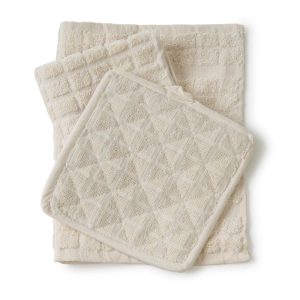
That review often includes bath sets, hand pieces, face cloths, pool categories for amenity areas, and selected hotel towels for specific service needs. Some operators also compare wholesale towels programs to improve consistency across properties that share a common standard. The main priority is not maximum volume. It is keeping the right quantity in circulation while protecting presentation and making storage easier to manage.
Reserve planning becomes especially important when occupancy changes quickly. Hospitality operations depend on steady backup coverage when guest demand rises. A property with high weekly turnover may need stronger backup coverage than a location with steadier use. Managers who review par levels by category can make smarter decisions about how many towels, sheets, and protective layers should be available at any time. This supports service continuity while keeping purchasing more disciplined.
Holding the right amount of bulk stock can reduce emergency orders and support cleaner budgeting. The key is to size reserve quantities according to room count, laundering pace, and expected replacement cycles. That approach protects quality without tying up unnecessary storage space.
Not every operator manages the same type of property, but many groups still benefit from one sourcing framework. Resorts, inns, extended-stay sites, and vacation rentals all need a practical way to standardize approvals, reorder accurately, and maintain a dependable guest-facing setup. A mixed portfolio becomes much easier to manage when leadership can define one process and then adapt the assortment by room class, service level, or amenity need.
This type of structure is especially helpful when an organization is growing. New properties can be added to an existing system rather than building a completely different textile process each time. It also supports cleaner internal communication because site teams understand which items are approved, how they are stored, and when they should be replaced. For owners and operators focused on hospitality performance, this consistency can improve control across the full portfolio.
Another advantage is flexibility. A standardized process does not require every room package to be identical. Instead, it creates a stable framework that allows targeted adjustments without losing alignment. That makes it easier to support resort rooms, urban business units, and specialty accommodations while still preserving purchasing logic, receiving routines, and long-term planning discipline.
When standards are documented clearly, managers do not need to shop from scratch every time they reorder. They can shop from an approved program built around their own operating needs. That reduces decision fatigue, improves consistency, and helps each hotel keep a more predictable ordering rhythm.
Long-term sourcing success comes from repeatability. Operators should compare providers based on communication, consistency, practical fulfillment support, and the ability to preserve approved standards over time. Price will always matter, but it should be considered alongside operational fit. The stronger program is usually the one that helps the property maintain room presentation, reorder with confidence, and scale without unnecessary disruption.
Properties that document their room program early are better prepared for expansions, phased upgrades, and ownership transitions. Leadership can review the approved assortment, confirm category priorities, and keep the same operating logic in place even as portfolio needs change. That reduces the risk of drift and helps each hotel maintain a more stable presentation across guestrooms and storage areas.
Across Nationwide USA, organized textile sourcing helps properties protect guest presentation, manage replacement needs, and maintain operational consistency with less friction.
Most teams begin with room count, turnover pace, storage capacity, and the categories that experience the fastest wear. From there, they define approvals for bed, bath, and reserve inventory so reorders remain consistent.
Reserve levels should be reviewed on a regular schedule tied to occupancy trends, laundering intensity, and replacement cycles. This helps the property keep enough backup stock without overfilling storage areas.
A documented program reduces mismatch, improves receiving accuracy, and gives property teams a clear reference point for later purchases. It also supports smoother training when new staff members take over ordering or inventory tasks.
Yes. A well-structured program can support resorts, limited-service locations, independent groups, and mixed portfolios by keeping the process consistent while allowing the assortment to be adjusted where needed.
A reliable sourcing model gives operators clearer standards for bedding, bath textiles, replenishment, and room consistency across the full portfolio.
Showing 1–16 of 101 results